BRIEF US!
Design illuminating activations around the world with us.

THANK YOU FOR YOUR REQUEST
Thank you very much for your interest in EIDETIC MARKETING.
We look forward to working with you.
We will contact you soon.Thanks Again.

THERE WAS A PROBLEM WITH YOUR SUBMISSION.
Have you checked all the required fields?
We want you to write your Company, Name, E-mail, Budget, Country to Execute, Website URL, Wanted Services and Project Description.Thanks.

Monthly Archives: January 2026
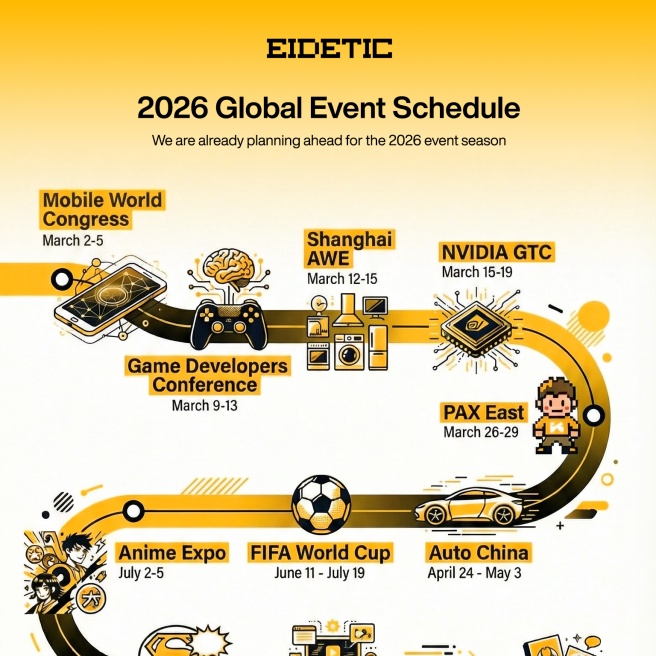
2026 Global Event Journey
January 29, 2026
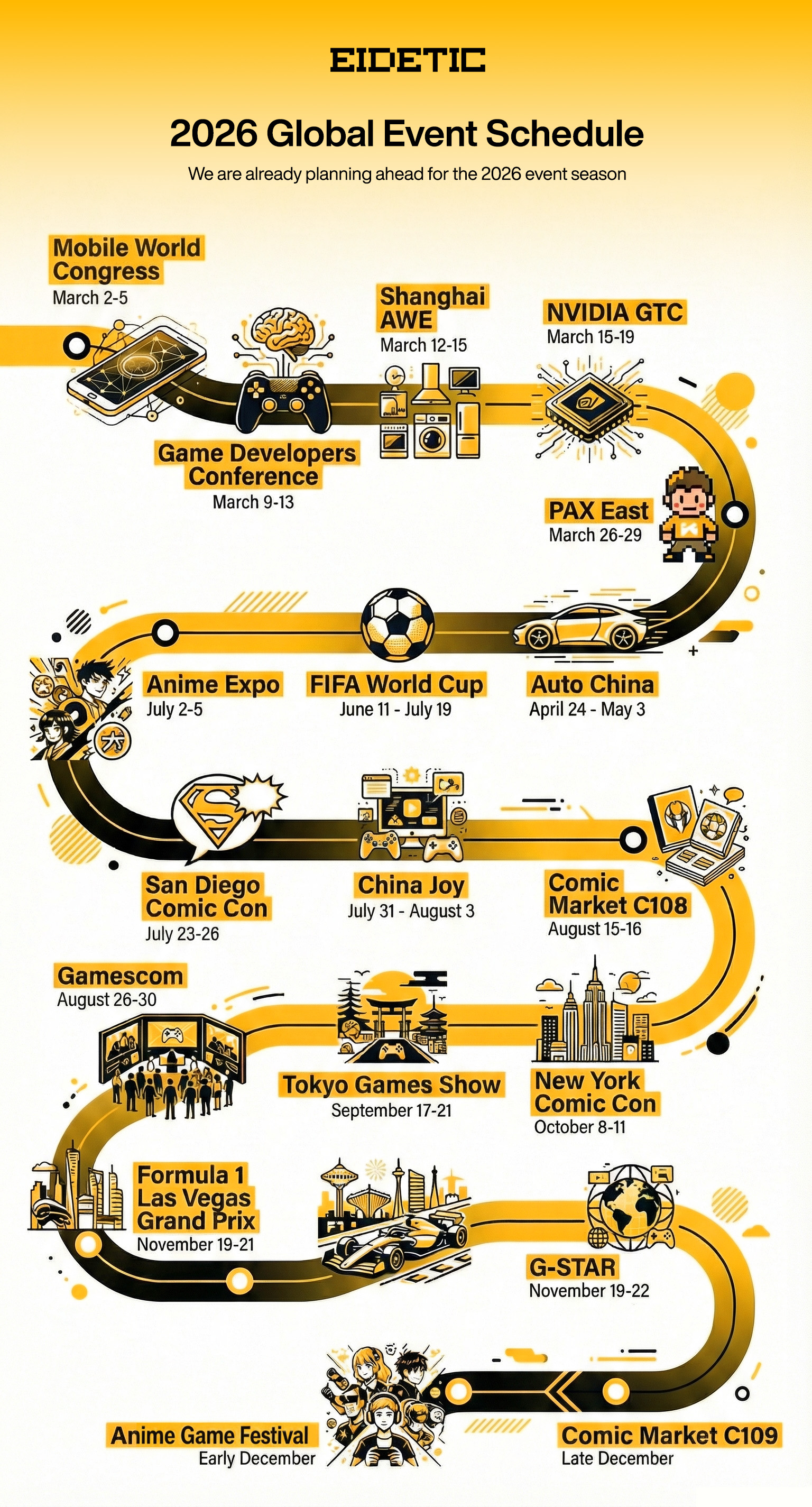
2026 Global Event Journey
Eidetic Marketing is a global experiential marketing agency designing brand experiences across technology, culture, and live environments. We work with brands to deliver physical, human-centered experiences through exhibitions and global events.
Rather than focusing on standalone campaigns, Eidetic operates where audiences gather in real life. Each global event provides context for understanding how people interact with brands in physical spaces, beyond screens and digital touchpoints.
In 2026, our work spans major global events across tech, gaming, sports, and pop culture. This journey reflects how we approach the year ahead—by observing real environments, real audiences, and real behavior.
CES
The year opened in Las Vegas from January 6–9, where we successfully wrapped CES 2026 together with Roborock. CES once again proved why it remains the world’s most influential technology exhibition—not because of announcements alone, but because it is where innovation is tested in front of real audiences. From spatial design to live interaction, CES set the tone for how technology brands must perform, not just present, in 2026.
Each global event on this journey reveals different signals—how brands perform in physical spaces, how audiences engage beyond screens, and how experiences translate across cultures.
Mobile World Congress
Taking place from March 2–5, Mobile World Congress defines the structural backbone of the global tech year. Connectivity, platforms, and infrastructure dominate the conversation here, often shaping market direction long before it becomes visible to consumers. MWC is where strategy quietly forms, making it essential for understanding how technology positions itself within everyday life.
Game Developers Conference
Held from March 9–13, GDC is where the game industry looks inward. Developers, publishers, and creators gather to talk about sustainability, production realities, and long-term ecosystems. Less spectacle, more substance—GDC reveals how strong engagement is built through process, not promotion.
Shanghai AWE
Running from March 12–15, AWE focuses on the moment when advanced technology becomes routine. Smart homes, appliances, and connected living solutions take center stage, offering a clear look at how innovation integrates into daily behavior. It’s a reminder that adoption is driven by usability, not novelty.
NVIDIA GTC
From March 15–19, NVIDIA GTC highlights the operational reality of AI. Infrastructure, GPUs, and applied use cases converge here, showing how abstract capability turns into scalable systems. For brands, GTC emphasizes a growing challenge: making highly technical innovation understandable, tangible, and credible.
PAX East
Taking place March 26–29, PAX East is driven entirely by player energy. Loud, emotional, and community-led, it demonstrates how engagement forms naturally when audiences are invited to participate rather than observe. It’s where gaming culture feels most alive.
Auto China
Held in Beijing from April 24 to May 3, Auto China—also known as the Beijing Auto Show—is one of the world’s largest automotive exhibitions. It showcases how vehicles are evolving beyond transportation into software-driven, experience-focused platforms, reflecting the automotive industry’s shift toward lifestyle, connectivity, and user-centric design.
FIFA World Cup
Running from June 11 to July 19, the FIFA World Cup remains one of the few moments when the entire world watches together. Sport, emotion, and national identity converge at a truly global scale. In 2026, Eidetic works alongside Hisense, an official FIFA World Cup sponsor, delivering brand experiences within one of the most culturally powerful stages in the world. For brands, the World Cup is not about visibility alone—it’s about participating in culture, not interrupting it.
Anime Expo
Held July 2–5, Anime Expo highlights how fandom-driven culture continues to expand globally. IPs here are not passively consumed but actively reinterpreted and shared by communities that carry stories far beyond the venue.
Shortly after, the focus shifts just down the coast.
San Diego Comic-Con
From July 23–26, San Diego Comic-Con brings together the most influential entertainment IPs across film, television, games, and comics. With its proximity in both time and place, SDCC amplifies the momentum built at Anime Expo—scaling fan energy into global entertainment narratives.
ChinaJoy
Taking place July 31–August 3, ChinaJoy reflects both the scale and velocity of the Asian gaming market. Industry ambition meets mass consumer enthusiasm, offering insight into how entertainment ecosystems expand rapidly through direct audience engagement.
Comic Market C108
Held August 15–16, Comic Market C108 centers on independent creators and grassroots communities. It shows how culture often begins at the edges—built through passion, participation, and personal storytelling long before it reaches the mainstream.
Gamescom
Running August 26–30, Gamescom represents the gaming industry at full scale. Major announcements, global media, and massive audiences converge, making it a key moment for understanding how games are positioned worldwide.
Tokyo Game Show
From September 17–21, Tokyo Game Show offers a distinctly Japanese perspective on gaming. Precision, artistry, and technology coexist, reinforcing how regional identity continues to shape global trends.
New York Comic Con
Held October 8–11, New York Comic Con reflects the pace and diversity of its city. Pop culture here feels immediate, audience-driven, and constantly evolving through interaction.
Formula 1 Las Vegas Grand Prix
Taking place November 19–21, the Las Vegas Grand Prix transforms sport into spectacle. Racing, entertainment, and immersive brand experiences merge into a single cultural event.
G-STAR
Running November 19–22, G-STAR offers a clear view into the Korean and broader Asian gaming landscape, where industry direction meets real-time public response.
Anime Game Festival
Held in early December, AGF(Anime Game Festival) closes the year with high-energy fan engagement, celebrating anime and games as shared cultural spaces.
Comic Market C109
Taking place in late December, Comic Market C109 brings the year to a close by returning to its foundation—creators, communities, and personal stories that often signal what comes next.
Looking Ahead
As we look across this year’s global event journey, one thing is clear: 2026 is already moving fast. From technology and gaming to sports and pop culture, these moments set the rhythm of the year ahead. We’re excited to keep building, learning, and showing up where it matters most. Here’s to another year of experiences worth remembering—and we look forward to what’s ahead, together.
World Cup Sponsor Guide: Activations and Fan Experiences (SFE & FFF)
January 18, 2026
All About Worldcup Popup Sponsorship (SFE & FFF)
For global brands, the World Cup is defined not only by what happens on the pitch, but by how fans experience the tournament across cities, stadiums, and public spaces.
As the event approaches, another competition begins — one driven by World Cup sponsors competing to create the most memorable fan experiences.
Visibility alone is no longer enough.
Today, becoming a World Cup sponsor means turning sponsorship rights into real-world experiences that fans can enter, engage with, and share.
Ahead of the 2026 FIFA World Cup, two activation models have become central to modern sponsor strategy: Stadium Fan Experience (SFE) and FIFA Fan Festival (FFF).
We work with World Cup sponsors such as Hisense to lead SFE and FFF activations, designing popup spaces and fan journeys that go beyond traditional sponsorship exposure.
What Is Stadium Fan Experience (SFE)?
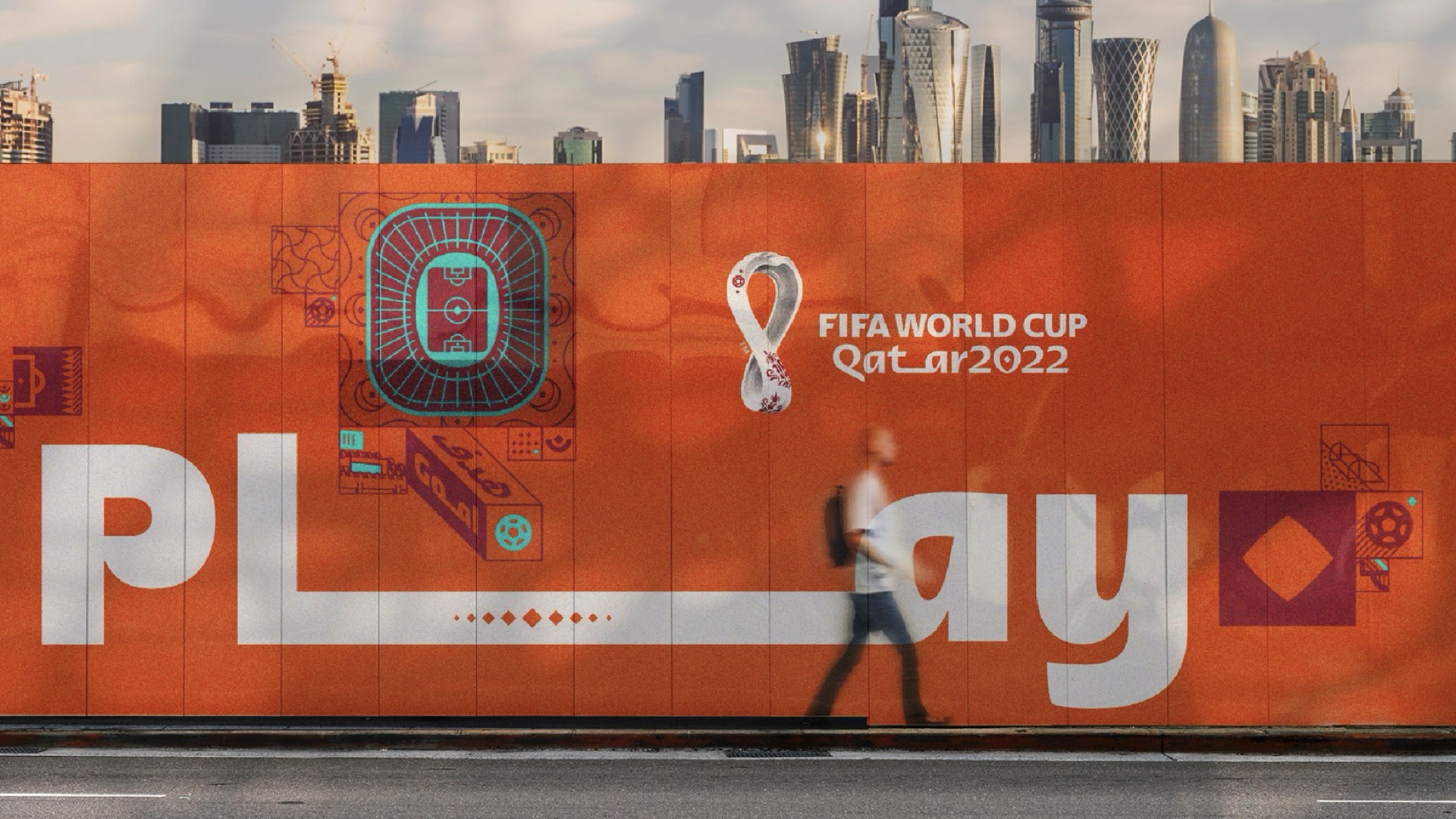
Stadium Fan Experience (SFE) refers to the branded experiences a World Cup sponsor creates in and around the stadium.
While sponsorship once focused on logo placement and media exposure, fans today expect interaction. They want experiences that feel natural to the match-day atmosphere — not disruptive or overly promotional.
Through SFE, we help World Cup sponsors:
- • Design interactive environments near stadiums
- • Integrate products and technology into fan behavior
- • Encourage participation, photo-taking, and social sharing
When executed well, SFE positions the sponsor as part of the live event itself, rather than a backdrop to it.
What Is FIFA Fan Festival (FFF)?
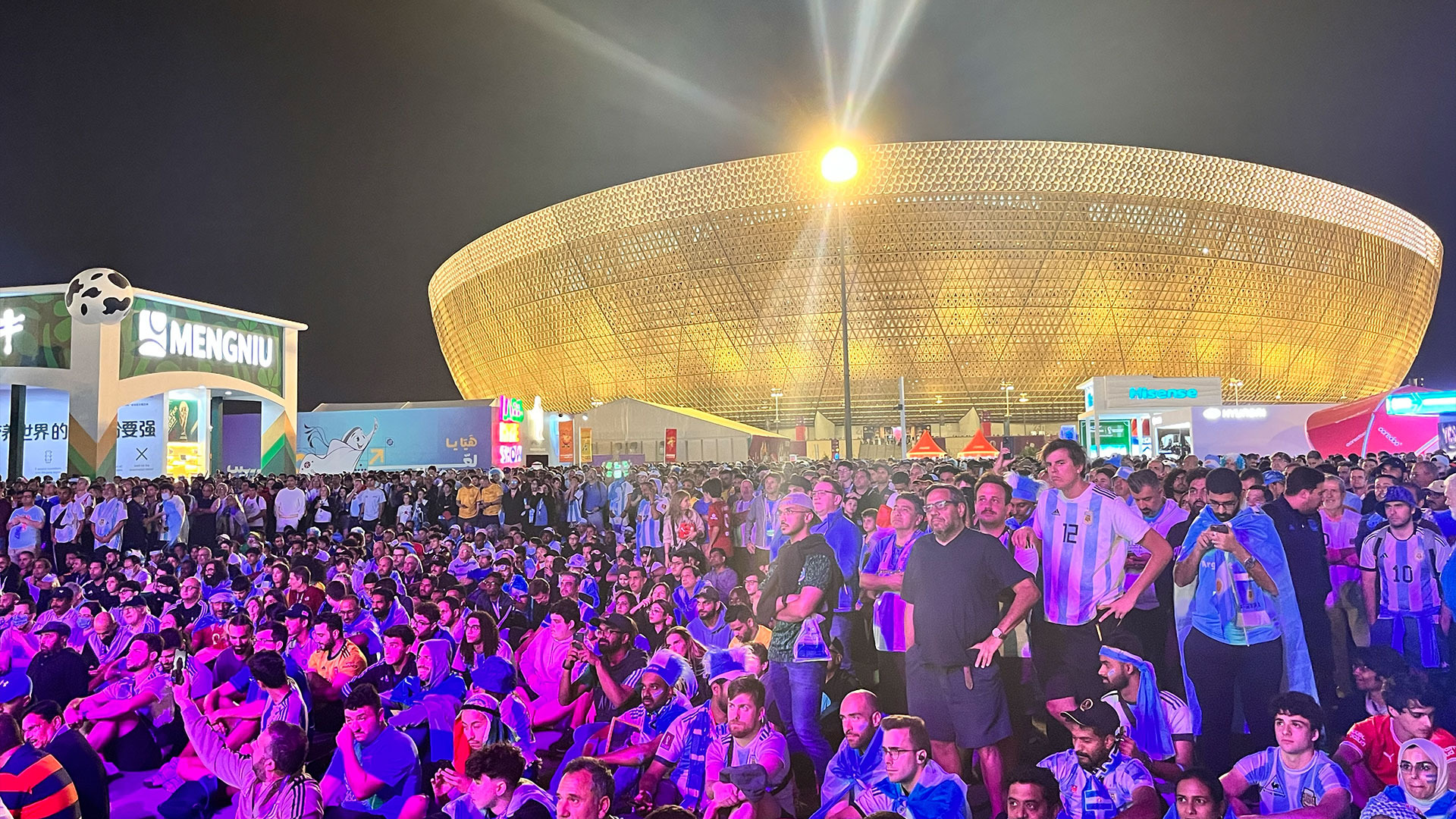
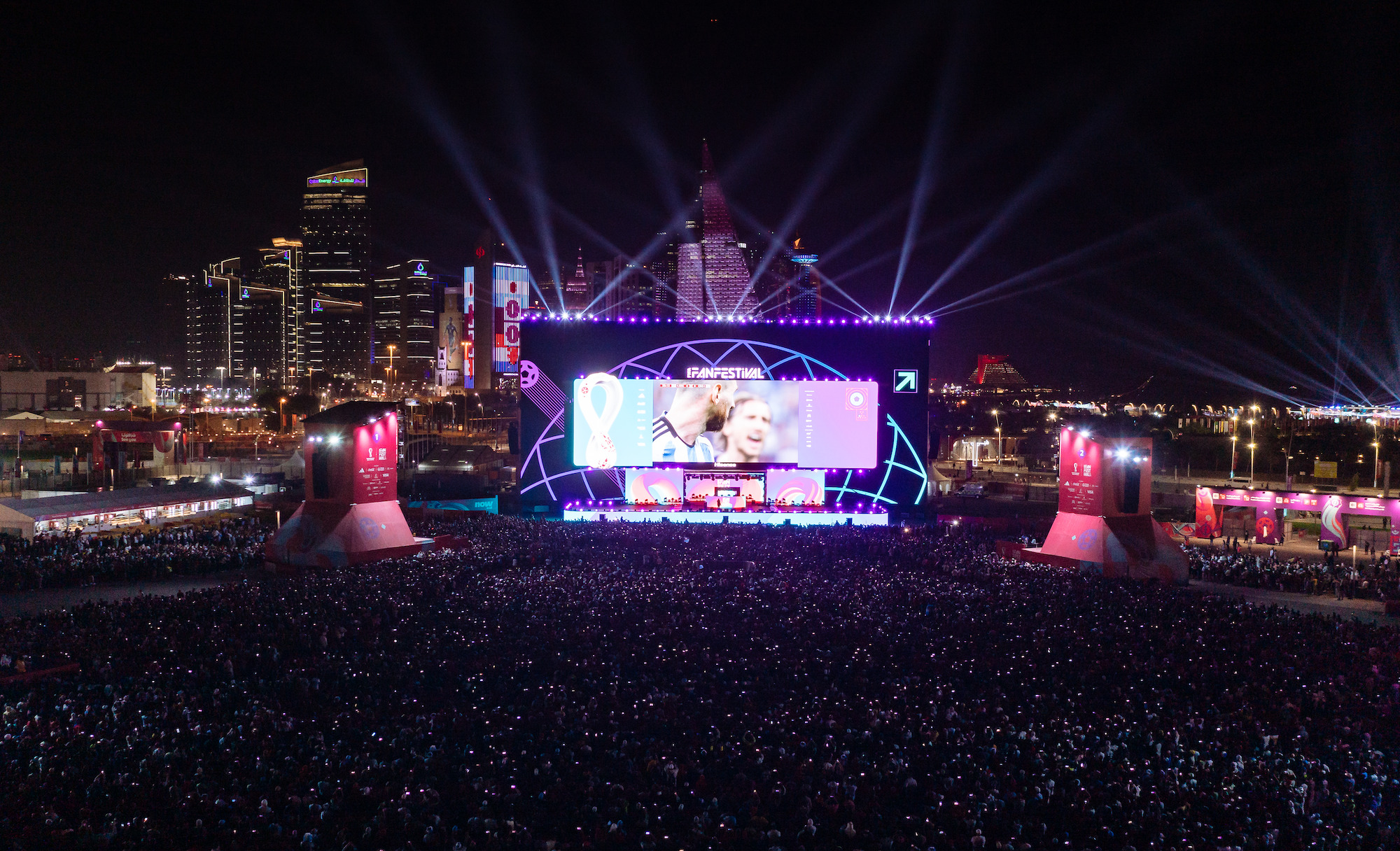
FIFA Fan Festival (FFF) extends the World Cup experience beyond ticketed matches.
Hosted in large public spaces, FFF is designed for fans without stadium access, traveling supporters, and local audiences who want to experience the World Cup together.
A typical FIFA Fan Festival includes:
- • Live match screenings on large-scale displays
- • Entertainment programs such as music and cultural events
- • Sponsor-led activations and interactive zones
For a World Cup sponsor, FFF offers access to massive foot traffic and longer dwell times — often reaching broader audiences than stadium-based activations alone.
FIFA Fan Festival History
How FIFA Fan Festival Originated from Korean Street Cheering
The roots of FIFA Fan Festival can be traced back to Korea’s street cheering culture.
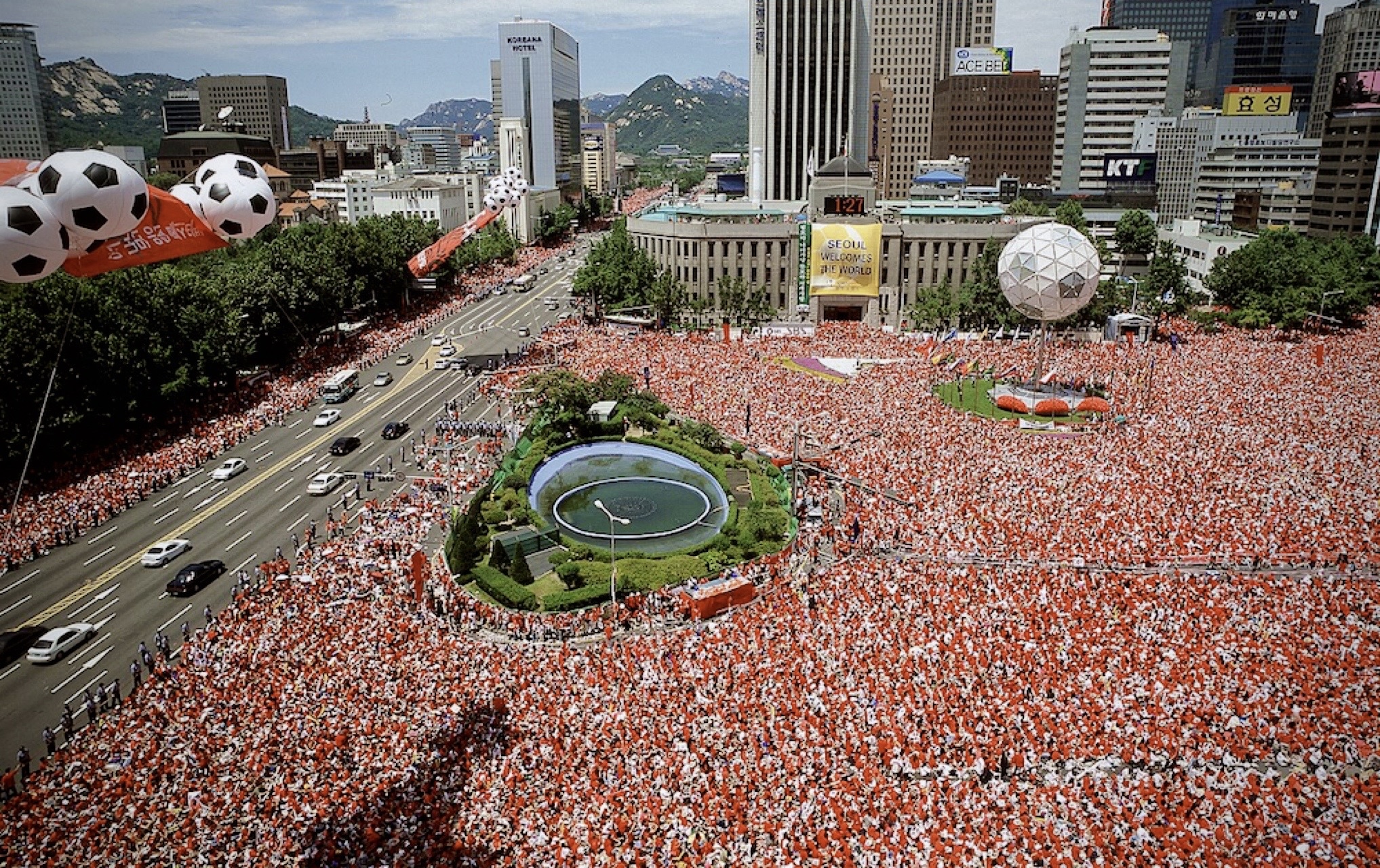
During the 2002 FIFA World Cup, fans across South Korea gathered spontaneously in city squares, parks, and public spaces to watch matches together on outdoor screens. Entire cities turned into shared viewing zones.
This fan-led phenomenon drew global attention. Recognizing the cultural power of public viewing, FIFA introduced the FIFA Fan Festival as an official program at the 2006 World Cup in Germany. Since then, FFF has remained a defining element of the modern World Cup experience.
Source: FIFA INSIDE
How World Cup Sponsors Activate Through SFE & FFF
Activating as a World Cup sponsor requires a different mindset from conventional brand popups.
1. Localization and Co-Branding at a Global Scale
The 2026 World Cup will be hosted across the United States, Mexico, and Canada, making localization a critical success factor.
We help World Cup sponsors deliver a consistent global brand message while adapting experiences to local culture, language, and fan behavior. When localization is done well, sponsor activations feel relevant, immersive, and emotionally engaging.
Co-branding also plays a key role. Sponsor logos often appear alongside FIFA and partner brands, requiring precise alignment in scale, color systems, and tone to clearly communicate official status.
We previously led a Qatar 2022 World Cup x EA Sports co-branding project, integrating multiple brand guidelines into a single global campaign.
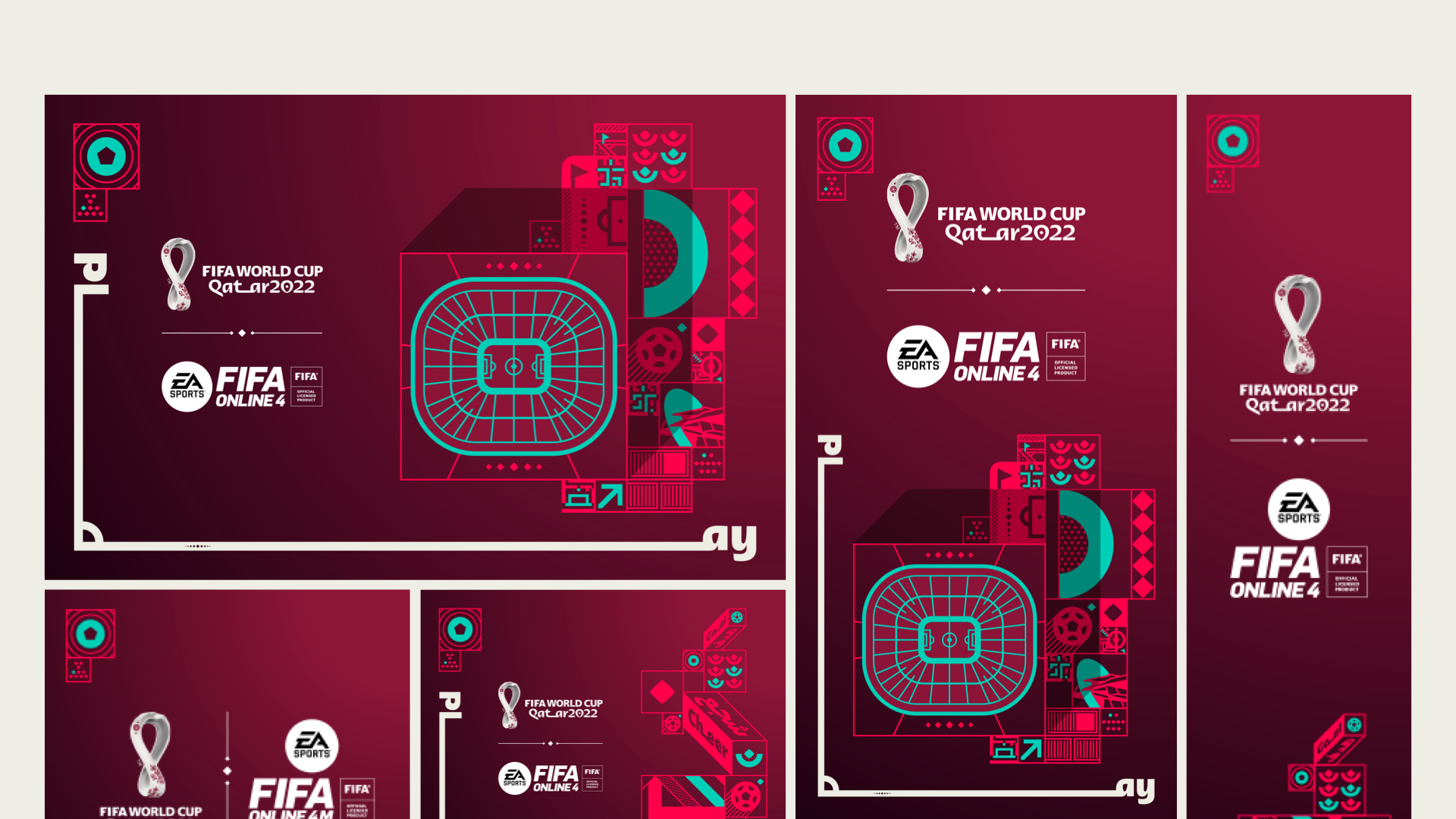
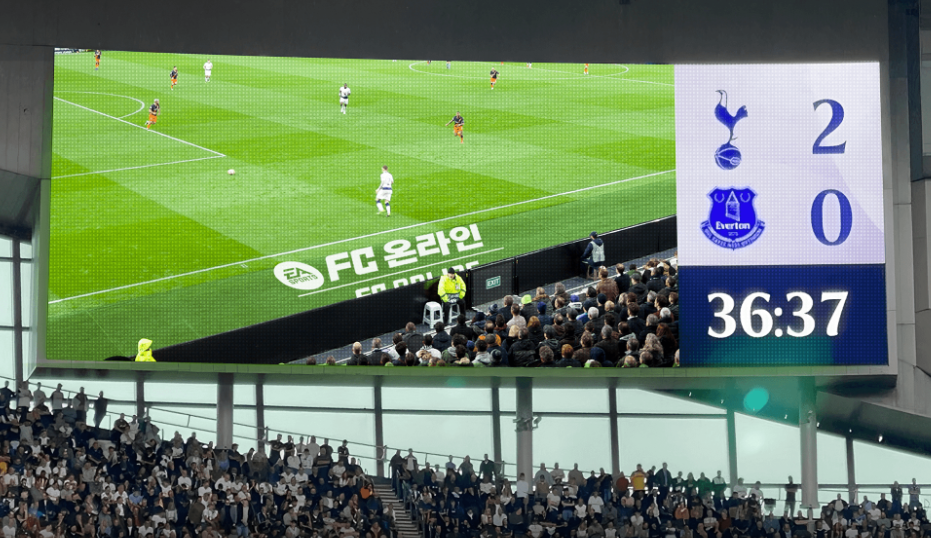
See the EA FC Localization Case.
2. Designing Football-Driven Popup Experiences
For a World Cup sponsor, popup spaces should amplify the excitement of football.
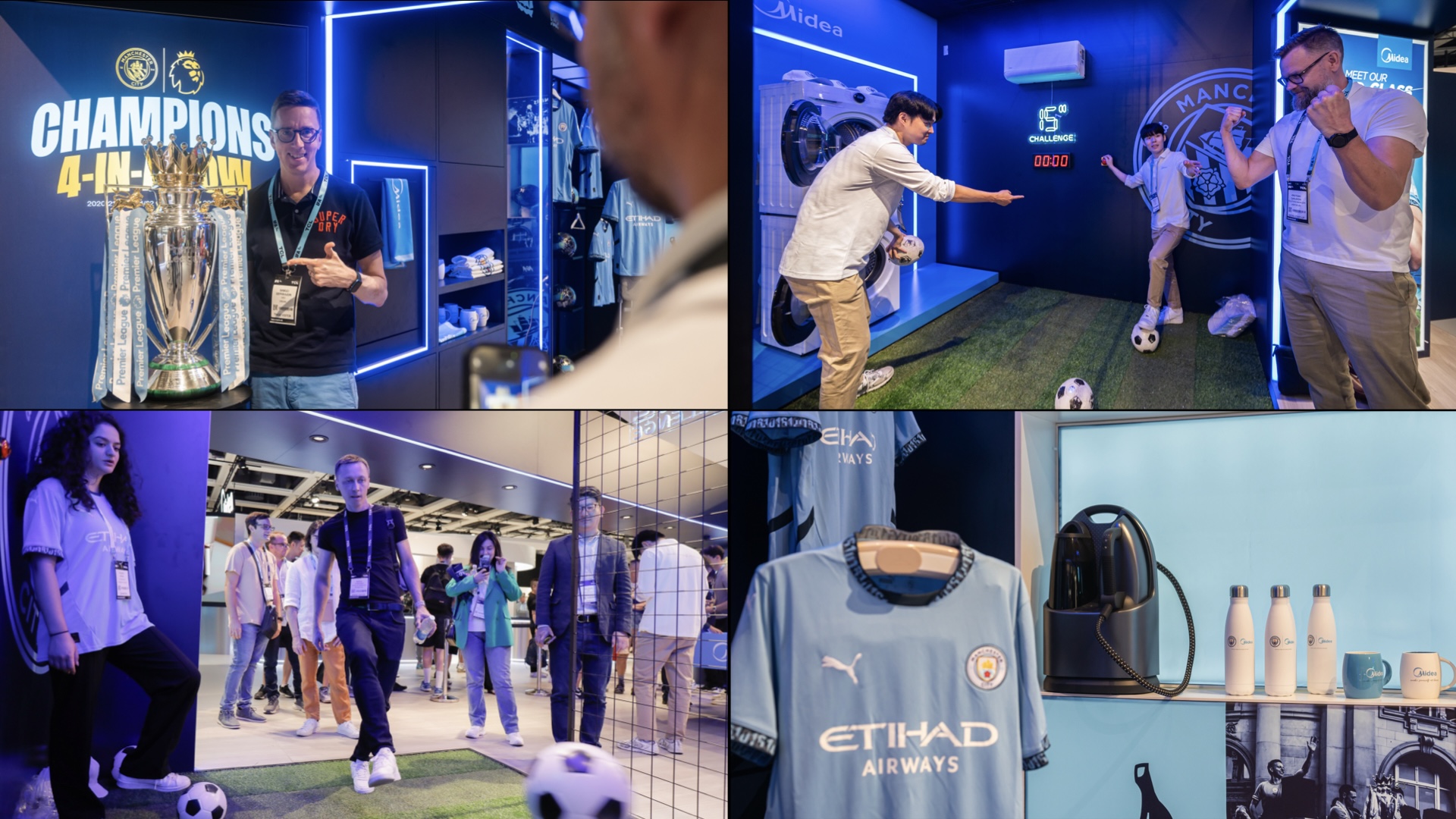
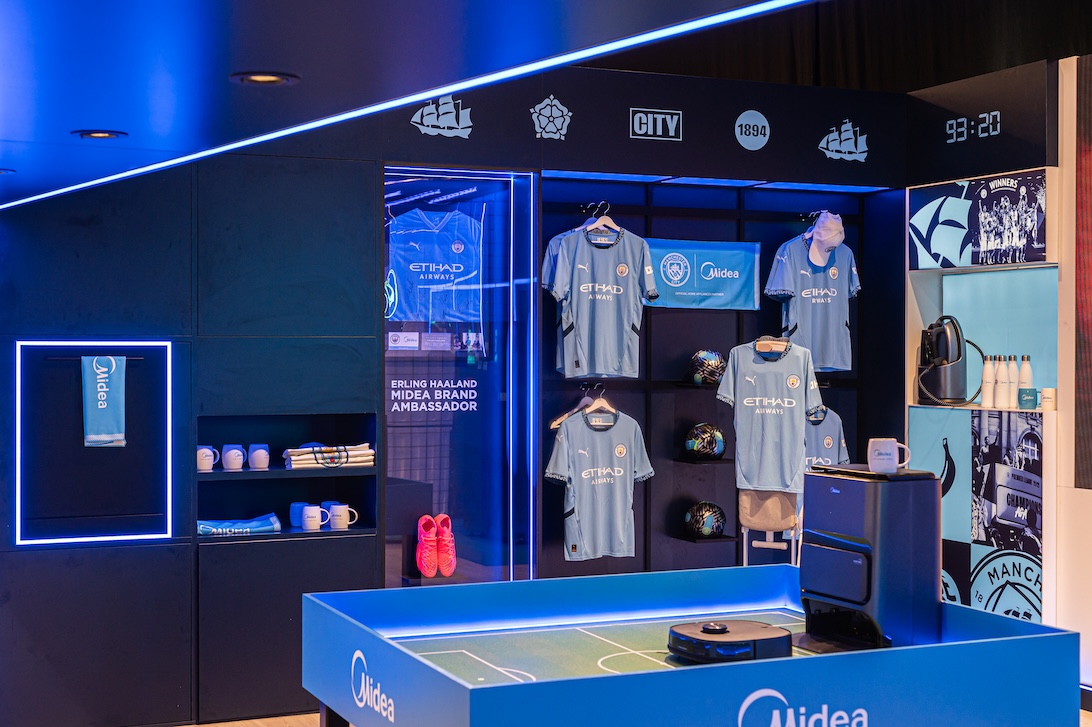
In past activations for brands such as Midea, sponsor of Manchester City FC, we transformed product features into playful football interactions. Washing machines became goalposts, while robot vacuum cleaners moved across a miniature pitch.
By turning products into experiences, fans intuitively understood value without explanation. This approach reflects the core of effective SFE and FFF activation.
💡 Key Elements of Successful World Cup Sponsor Activations
- • Spatial planning based on stadium and fan movement
- • Environments that reflect World Cup energy and atmosphere
- • Interactive experiences connecting brand technology with football
- • Fan journeys designed for social sharing and organic reach
3. Creating Impact Through OOH Advertising
Out-of-home (OOH) advertising plays a critical role in the World Cup sponsor journey.
Placed along routes to stadiums, fan festival zones, airports, and urban landmarks, OOH placements reinforce sponsor presence throughout the fan journey.
💡 To be effective during the World Cup, OOH must:
- • Blend naturally into the World Cup environment
- • Deliver short, high-impact messages
- • Clearly communicate official sponsorship
During CES 2026, we led global OOH design for Roborock, highlighting its sponsorship of Real Madrid FC, while also designing football-inspired booth experiences.
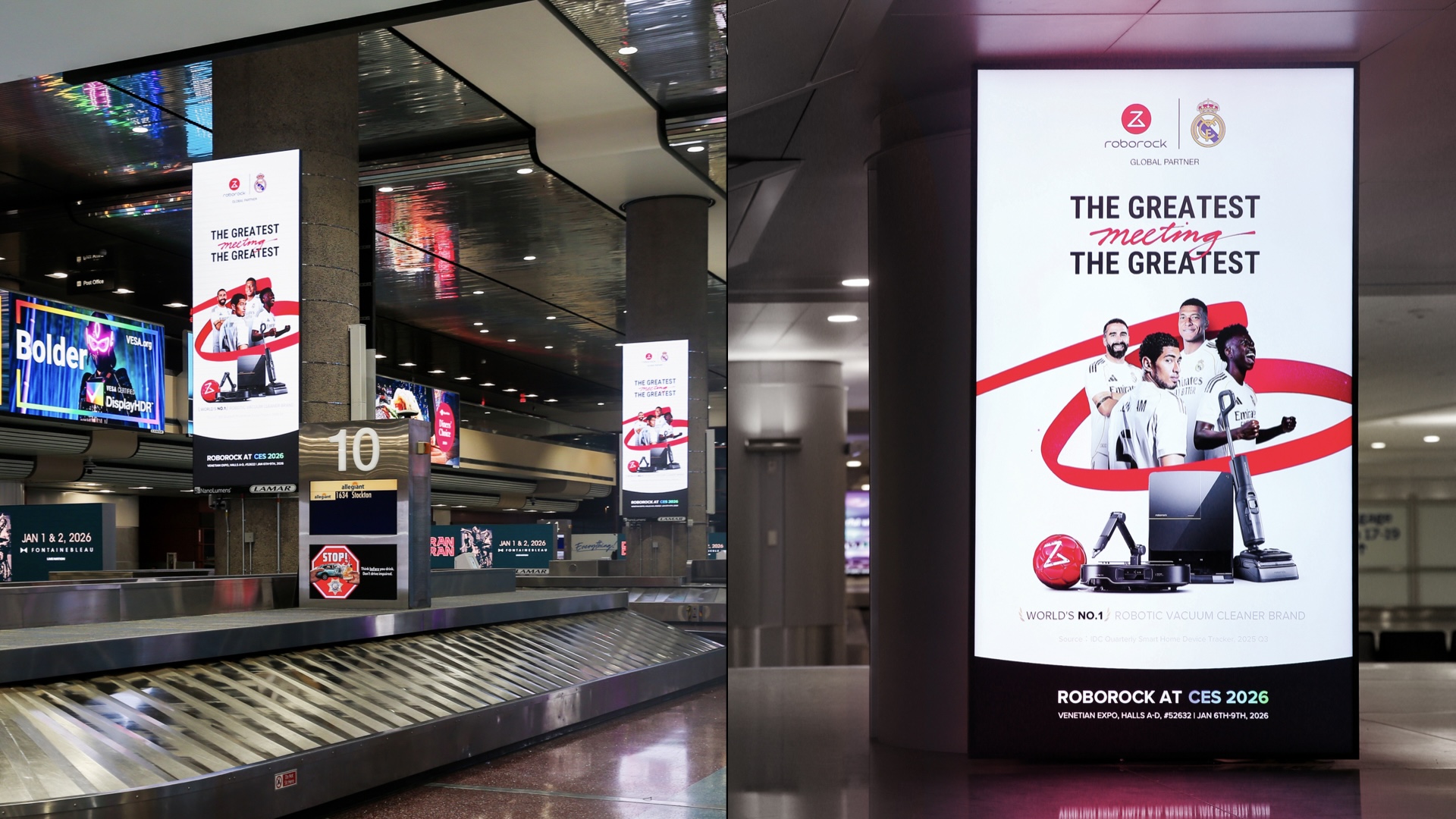
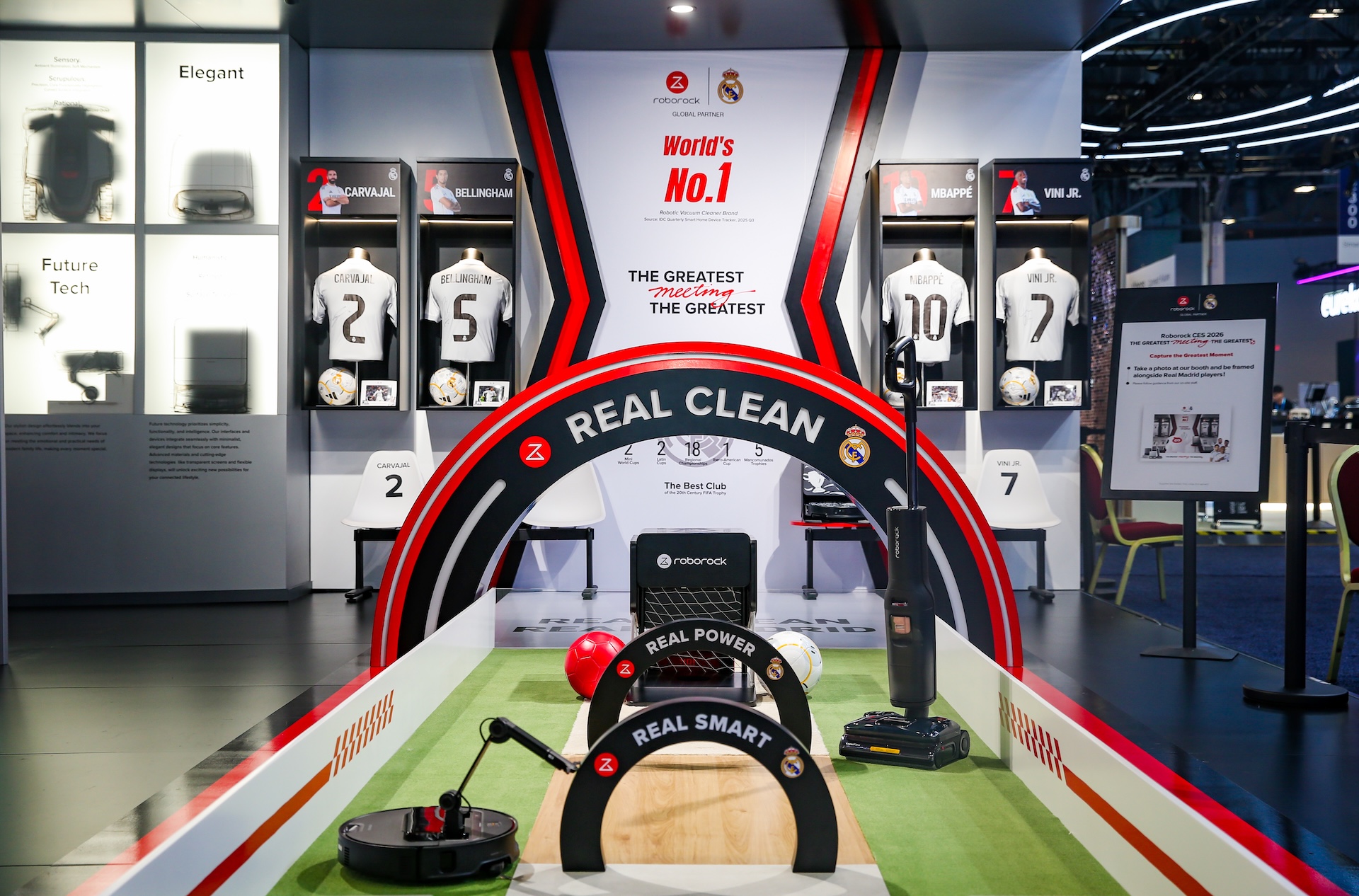
We are currently developing global World Cup campaign messaging and OOH content for World Cup sponsors preparing for upcoming tournaments.
4. Long-Term Brand Value Through World Cup Merchandise
Merchandise extends the lifespan of World Cup sponsor activations.
Well-designed items continue to represent the brand long after the tournament ends, becoming everyday touchpoints rather than one-time giveaways. Sports towels, tumblers, folding chairs, string bags, cheering tools, and sponsor badges are particularly effective when usability meets football-driven design.
We design merchandise strategies that encourage participation and emotional connection — ensuring long-term brand impact beyond the event itself.
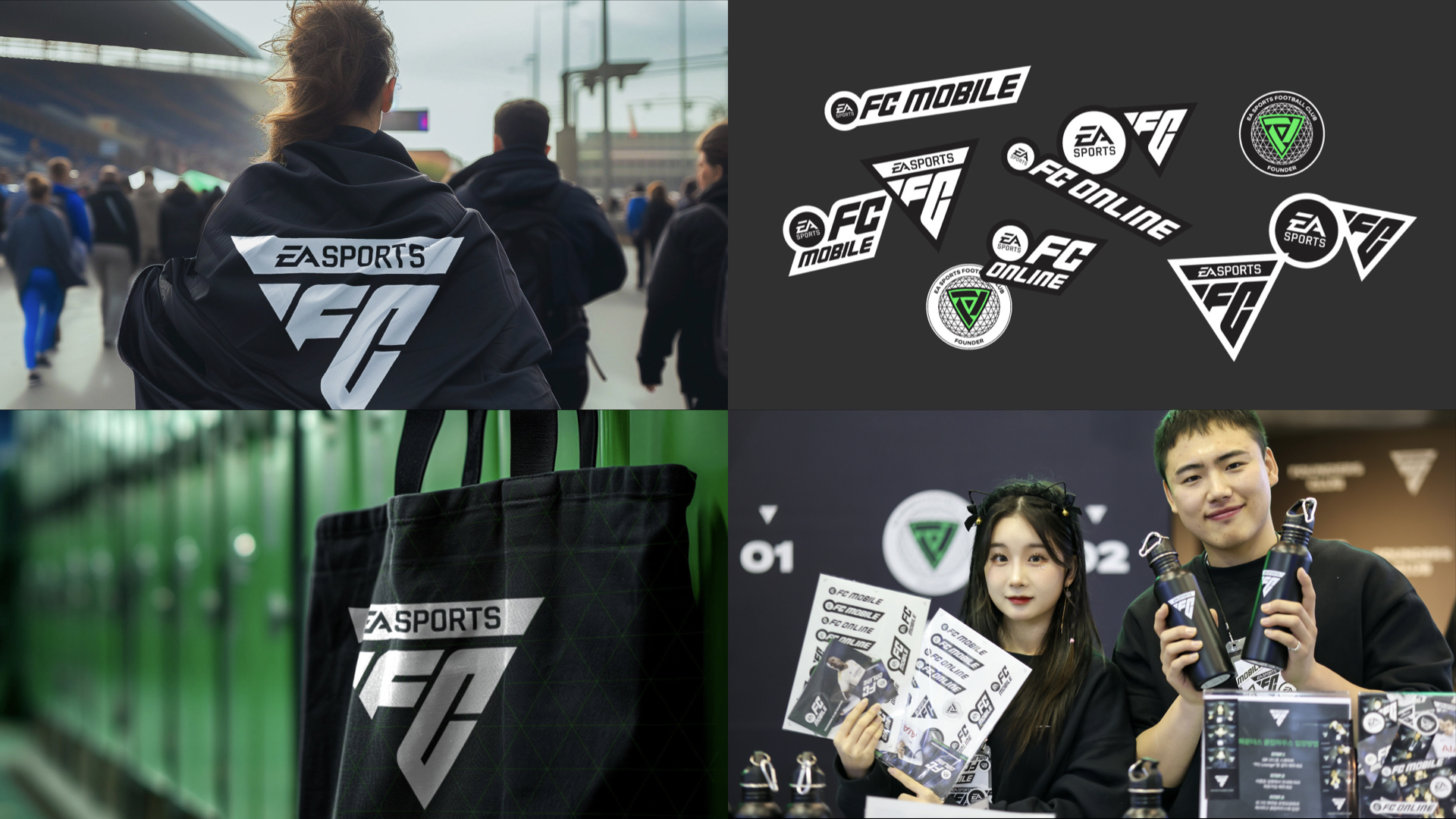
See the EA FC football club booth activation case.
The Role of World Cup Sponsors Has Changed
The World Cup is a global stage experienced simultaneously by audiences worldwide.
For today’s World Cup sponsors, success is no longer defined by presence alone, but by participation. Sponsors must step into the fan journey — across stadiums, cities, and shared spaces.
At EIDETIC, we help brands turn sponsorship into experience through SFE and FFF activations designed to engage, connect, and endure.
Game Developers Conference (GDC): How the Event Works
January 3, 2026
Game Developers Conference (GDC): How the Event Works
What Is the Game Developers Conference?
Game Developers Conference (GDC) is a developer-focused conference built for people who make games.
Each year, developers across disciplines—engineering, design, art, production, and business—gather to share how games are built in practice. The conference centers on technical knowledge, production experience, and peer-to-peer learning, with sessions led by industry practitioners.
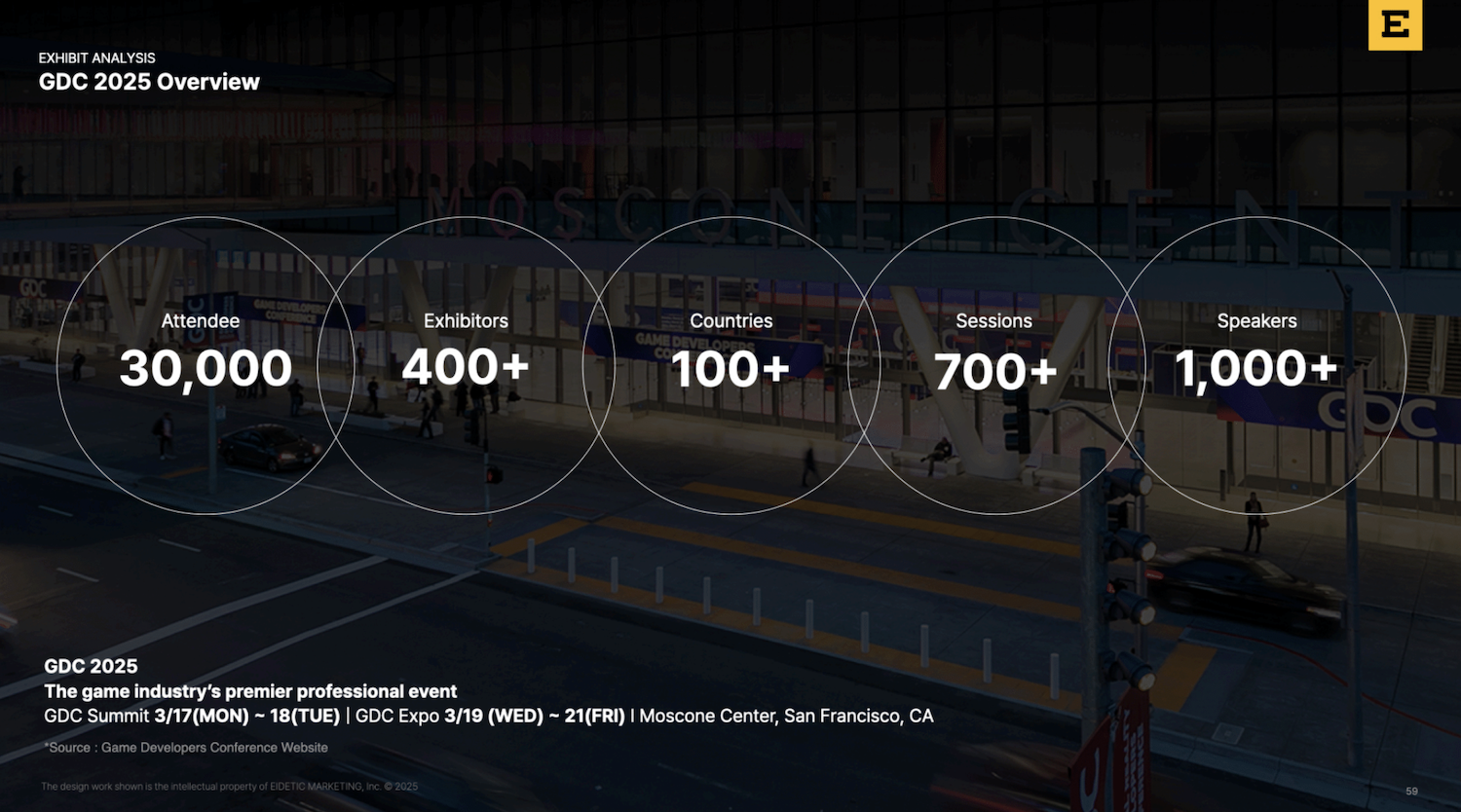
In 2025, GDC brought together approximately 30,000 attendees, more than 400 exhibitors, and speakers from over 100 countries, with hundreds of sessions taking place across the week.
Conference: March 9–13, 2026
Festival: March 11–13, 2026
In 2026, GDC will be presented under the name GDC Festival of Gaming.
The event runs across a five-day conference schedule, with Festival programming concentrated over the final three days.
The Conference period covers the full range of sessions, including technical talks, postmortems, panels, and keynotes.
The Festival period aligns with peak on-site activity, featuring expanded networking, community-driven programs, and evening events.
Who Attends GDC?
The audience at the Game Developers Conference is professional and role-driven.
Core attendees include game developers across engineering, design, art, and production.
Senior developers, technical leads, creative directors, and studio founders also attend in large numbers.
In recent years, attendance has expanded. Indie developers, small studio teams, tool and middleware builders, and platform partners now make up a larger share of the audience.
As roles in the game industry become less rigid, GDC attracts professionals who work across development, technology, and community. This shift continues to shape how the event evolves.
How GDC Programs Are Structured
Conference Sessions Are the Core
Game Developers Conference is, first and foremost, a conference.
The main content of the event is its extensive lineup of conference sessions.
Throughout the day, attendees move between technical talks, design discussions, production postmortems, business sessions, and keynotes. Multiple sessions run in parallel, and there is no single agenda that everyone follows.
Instead of a fixed program, GDC operates as a self-directed learning environment. Attendees build their own schedules based on their role, interests, and level of experience, using the official session planner to navigate the density of content.
Expo Floor and Industry Booths
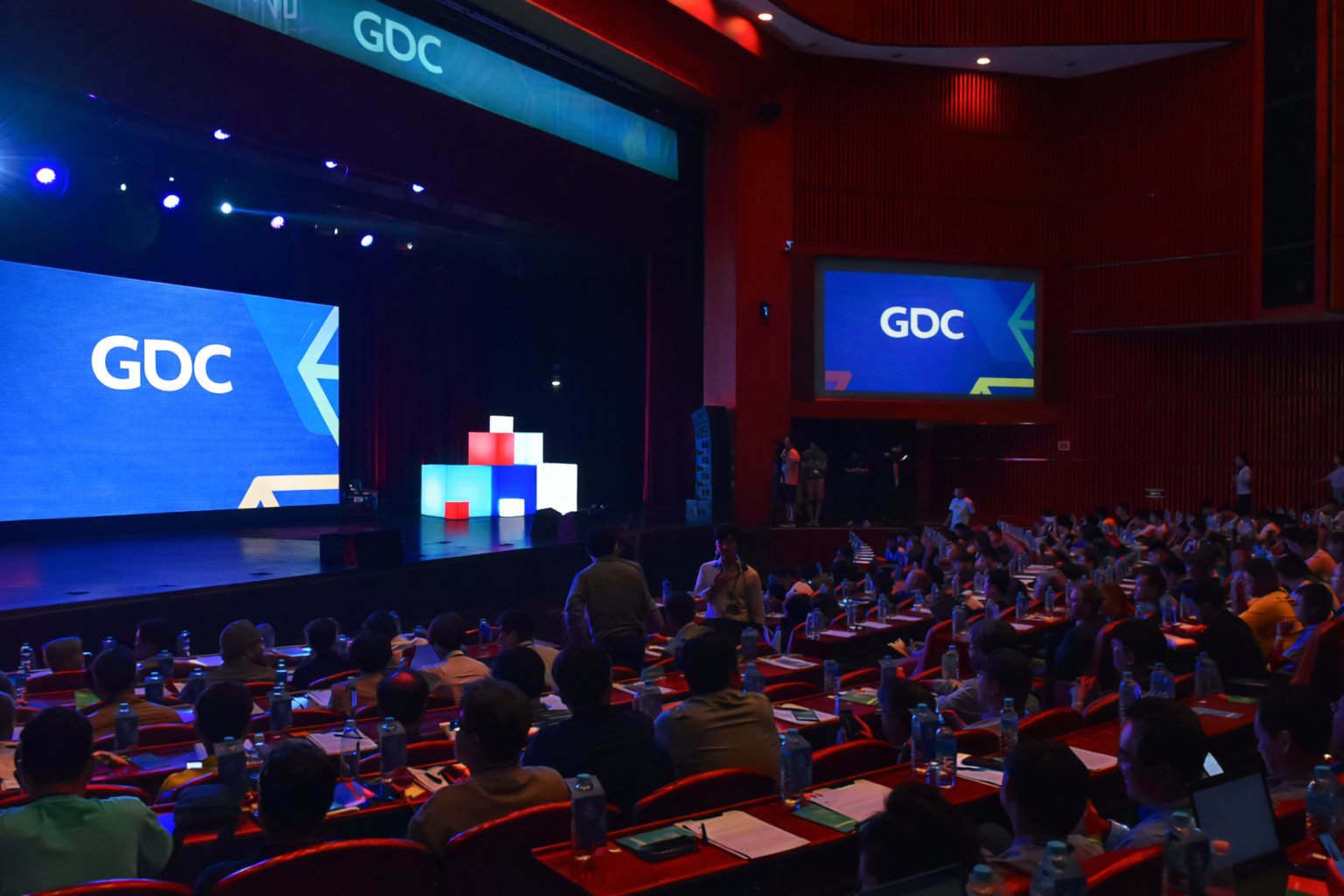
Beyond the conference rooms, GDC also features a large expo floor where companies across the game industry present their work.
These booths cover a wide range of areas, from studios introducing new games or works in progress, to engine and platform providers, middleware companies, production tools, and specialized technologies. In many cases, what is showcased is not a finished product but a technique, workflow, or solution that supports game development.
Unlike consumer expos, GDC booths are designed less around spectacle and more around conversation. They function as spaces for demos, practical discussion, and professional exchange.
For many attendees, exploring the expo floor is one of the defining parts of the GDC experience, offering a way to see how different segments of the game industry intersect beyond their own role.
Learning Beyond Formal Sessions
Learning at GDC does not stop at scheduled talks.
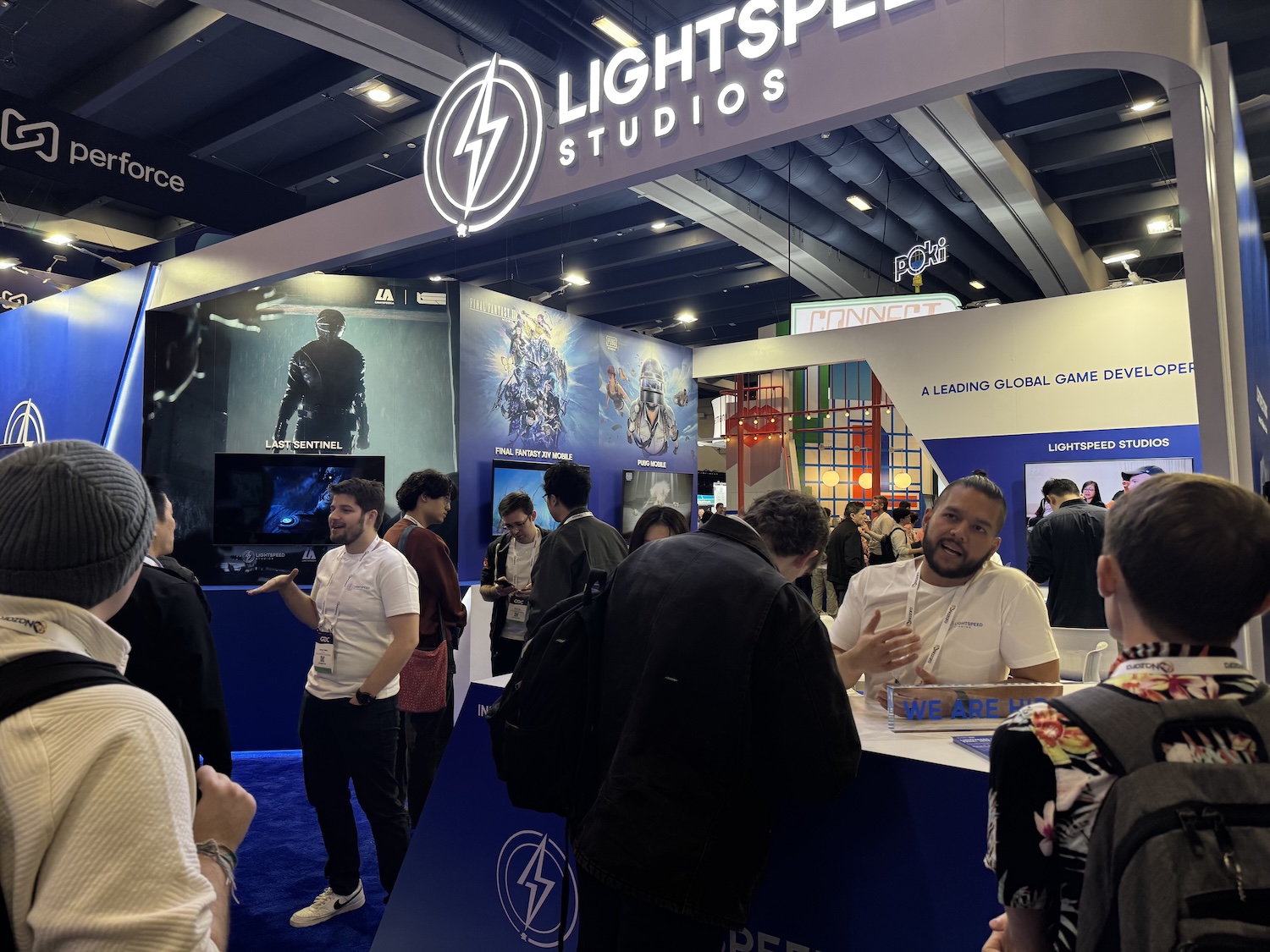
Informal conversations at booths, spontaneous meetings between sessions, and discussions in common areas often provide as much value as formal presentations. This blend of structured sessions and unstructured interaction is central to how knowledge circulates at GDC.
The conference is intentionally designed to support both planned learning and unexpected discovery.
Evening Programs and Community Events
While conference sessions and the expo floor shape the daytime experience, some of GDC’s most recognizable programs take place in the evening.
The Developer’s Concert celebrates game music as a creative discipline and has become a long-standing tradition within the developer community.
The Independent Games Festival (IGF) highlights innovation in independent game development, recognizing creative achievement across solo developers and small teams.
The Game Developers Choice Awards (GDCA) are uniquely peer-driven, with winners selected by fellow developers to honor craft, impact, and contribution.
These evening programs are often described as the most “festival-like” moments of GDC. However, they remain firmly industry-facing, serving as moments of recognition and shared identity rather than public showcases.
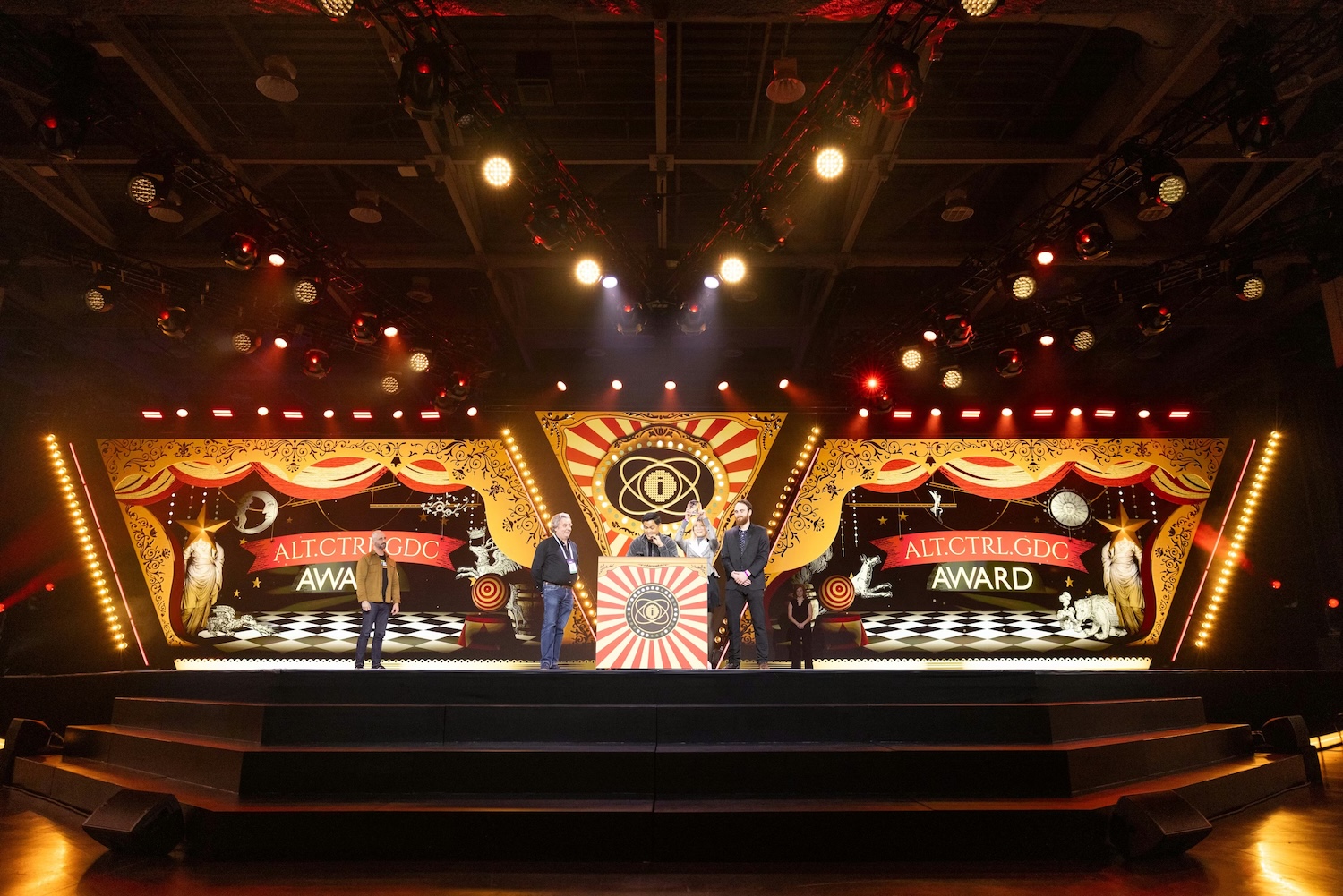
Marketing Agency for GDC
We support global game companies across major North American events, including Game Developers Conference, Anime Expo, San Diego Comic-Con (SDCC), and PAX West.
As a turnkey marketing agency, we manage strategy, creative, production, and on-site execution under one system. It allows brands to operate efficiently during complex, multi-day events like GDC.